


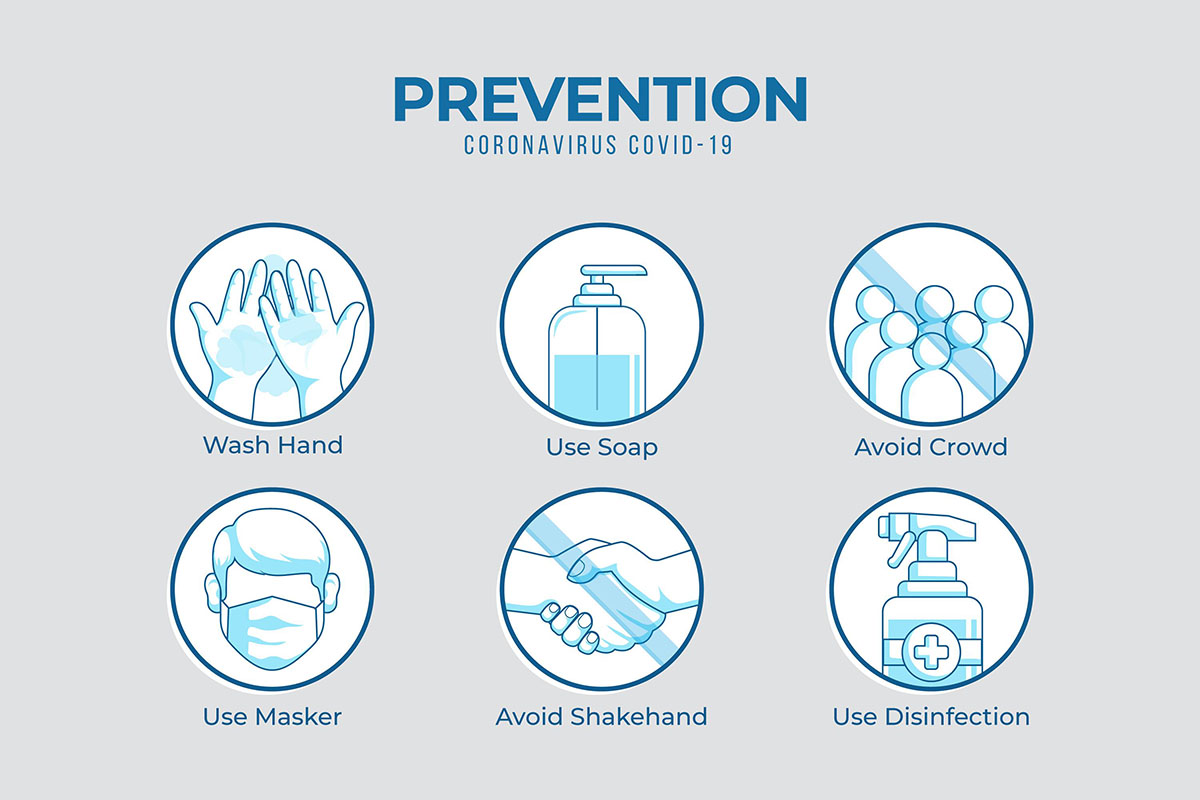
Covid-19 Protocol
The COVID-19 pandemic has changed the world as we know it forevermore. The unforeseen challenges of COVID-19 have taken a significant toll on governments, businesses, and the people of the world and have changed how the world will interact moving forward.
At the forefront of the many challenges and changes ahead, “safety” for the people and food products that are manufactured, stored, distributed, and consumed daily will become critical.
Warehousing and storage facilities during Covid-19, currently and moving forward, must ensure that they are operating using best goods manufacturing practices (GMP’S) set forth by the authorities, procedures, social distancing, and sanitization practices to help ensure that this step in the supply chain is “safe”.
We at Aargees Global, we would like to share with you some of the many policies and procedures that we are following and improving on that have helped us with our food storage safety in hopes that it may help in keeping people safe as we are all in this together.
Warehouse Staff Social Distancing
As seen and implemented around the world, social distancing has been one of the most critical actions taken to help stop the spread of the COVID-19 pandemic.
At Aargees Global, we operate from a busy food-grade warehouse for the distribution of Swadesh Basmati Rice, and we have followed suit in making warehouse staff social distancing a top priority. Yes, keeping your warehouse staff 6 feet apart as much as possible while working can be a difficult task, but we insist on it at our facility and it can be accomplished. How did we do it? By implementing warehouse staff social distancing into our Food Warehouse Covid-19 “Best Practices”
Food Warehouse Safety Best Practices during COVID-19
- One working shift daily, split that shift into two shifts and limited number of people on the warehouse floor at any giving time.
- Ensure a safety meeting with all our staff to discuss what warehouse staff social distancing entails and have every staff member sign off that they attended the meeting before they can continue to work around others and food.
- Staff always maintain a 6-foot working distance when possible.
- Staff are instructed at times to stop and wait for an area or specific location that is occupied to be cleared of another worker before finishing their task. This does slow down their work process at times, but it better to be ‘safe’ than have COVID-19 spreading through the employees of the warehouse and possibly causing cross-contamination to the food being stored for eventual distribution to the public.
- Proper personal protective equipment (PPE) is always worn.
- Supervisors and managers constantly monitor the warehouse staff throughout the day.
Warehouse Personal Protective Equipment (PPE)
We make sure that our food storage facility is equipped with enough PPE equipment to ensure that all employees have access at any given time.Here are some examples of warehouse safety best practices that we implemented:
- Face masks or N95 are worn at all times.
- Hand sanitizer at all desks, entries, and work areas.
- Nitrate disposable gloves are worn at all times.
- We use an Electrostatic Sprayer to spray all equipment and warehouse desks down daily.
- We use hospital-grade cleaning solutions to ensure that there is no contamination to the food being stored.
Sanitation Schedules and Effective Hand Washing
- As instructed by the regulatory agencies that all areas are cleaned once a day and maintain a daily cleaning log.
- A three-time a day cleaning/disinfecting schedule where we wipe down every common surface, door handle, desks, and tables.
- One of the most effective things to stop the spread of COVID-19 in our warehouse is thorough hand washing. We are requiring that all employees wash their hands after leaving the warehouse floor to take breaks, lunch, or bathroom breaks and are requiring them to wash their hands again before returning to the warehouse floor.
At Aargees Global, we must all do our part and follow safety measures now and moving forward to help ensure the safety of our employees and the end consumer of the food products we store.